Rhinoplasty in Miami
Rhinoplasty (nose job) at Svelta Plastic Surgery in Miami reshapes the nose to improve its appearance, its breathing function, or both, starting at $6,500.
Svelta calls its approach the Svelta Facial Refinement™: nose reshaping planned around natural proportion, profile, and facial harmony.
What is rhinoplasty (a nose job)?
Rhinoplasty, commonly called a nose job, is surgery that reshapes the bone and cartilage of the nose to improve its appearance, its function, or both.
Cosmetic rhinoplasty changes the size, profile, tip, or width of the nose so the nose sits in better proportion with the rest of the face.
Functional rhinoplasty corrects structural problems, such as a deviated septum, that make breathing through the nose difficult.
At Svelta Plastic Surgery in Miami, every rhinoplasty is planned around the patient's own facial anatomy. The goal of the Svelta Facial Refinement™ is a nose that looks natural and balanced, not operated on.
Rhinoplasty at Svelta starts at $6,500. Final cost depends on complexity, technique (open vs. closed), and whether functional correction is included. Financing available.
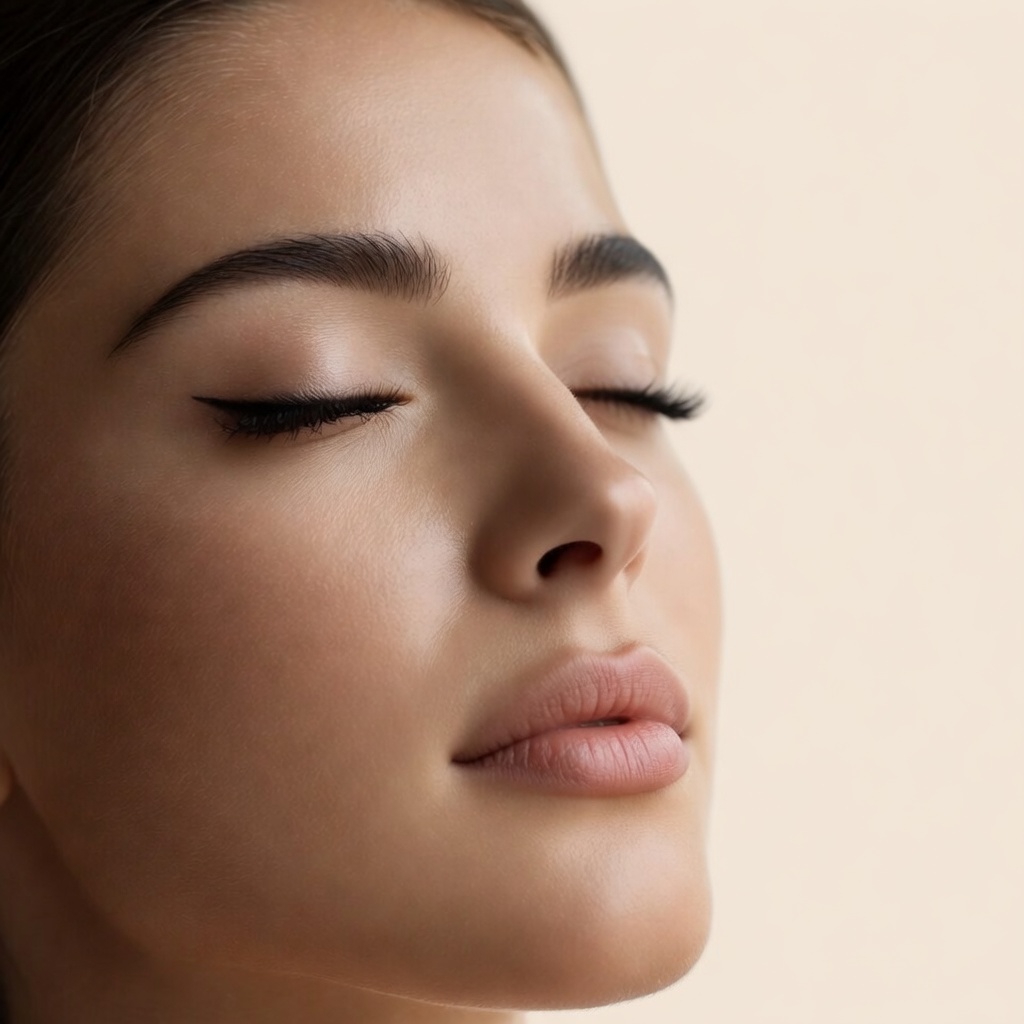
Who is a good candidate for rhinoplasty?
A good candidate for rhinoplasty is a healthy adult or older teen whose facial growth is complete, who does not smoke, and who has specific, realistic goals for the nose.
- ✓ Facial growth is complete. Rhinoplasty is usually delayed until the nose has finished growing, generally the mid-to-late teens or older.
- ✓ Good general health. The patient has no medical conditions that make surgery or anesthesia unsafe.
- ✓ Non-smoker. The patient does not smoke or is willing to stop before and after surgery, because smoking slows healing.
- ✓ A specific cosmetic goal. The patient wants to change a defined feature, such as a bump on the bridge, a wide or drooping tip, wide nostrils, or an asymmetric nose.
- ✓ A breathing problem. The patient has trouble breathing through the nose because of a deviated septum or another structural issue.
- ✓ Realistic expectations. The patient wants rhinoplasty for themselves, not to meet someone else's ideal.
Candidate criteria follow the American Society of Plastic Surgeons' rhinoplasty guidance.
What can rhinoplasty correct?
Rhinoplasty can correct six common cosmetic and functional concerns of the nose, alone or in combination.
Dorsal Hump Reduction
Dorsal hump reduction removes a bump on the bridge of the nose for a straighter, more refined profile.
Tip Refinement
Tip refinement reshapes a bulbous, drooping, or upturned nasal tip for a more defined, balanced appearance.
Nose Width & Nostril Reduction
Nostril and base reduction narrows wide nostrils or a broad nasal base for better facial proportion.
Deviated Septum Correction
Septum correction straightens a crooked septum that blocks breathing. Combined with cosmetic rhinoplasty, it is called septorhinoplasty.
Revision Rhinoplasty
Revision rhinoplasty corrects the results of a previous nose job. Revision cases are often more complex than first-time surgery because of scar tissue and changed anatomy, so each one is evaluated individually.
Ethnic Rhinoplasty
Ethnic rhinoplasty refines the nose while preserving the features that reflect the patient's heritage, rather than applying one standard nose shape.
What is the difference between open and closed rhinoplasty?
Open rhinoplasty adds a small incision across the columella (the strip of skin between the nostrils) for a full view of the nasal structure. Closed rhinoplasty keeps every incision inside the nose and leaves no visible scar.
| Factor | Open rhinoplasty | Closed rhinoplasty |
|---|---|---|
| Incisions | Inside the nose, plus a small incision across the columella | Inside the nose only |
| Visible scar | A thin columella scar that usually fades to barely visible | None |
| Surgeon's view | Full, direct view of the cartilage and bone | Limited view through the nostrils |
| Often chosen for | Tip refinement, revision rhinoplasty, and complex or asymmetric noses | Hump reduction and more modest changes |
| Swelling | Tip swelling can take longer to settle | Swelling often settles somewhat sooner |
The right rhinoplasty technique depends on the changes the patient wants and the anatomy of the nose. The surgeon recommends open or closed rhinoplasty during the consultation.
How is rhinoplasty performed, step by step?
Rhinoplasty usually takes 1.5 to 3 hours under general anesthesia or IV sedation and is typically performed as an outpatient procedure.
- Consultation and planning. The surgeon examines the inside and outside of the nose, discusses the patient's goals, takes photographs, and reviews the patient's health history.
- Preparation. Before rhinoplasty, patients stop smoking and avoid aspirin, anti-inflammatory medications, and herbal supplements that can increase bleeding, as directed by the surgeon.
- Anesthesia. Rhinoplasty is performed under general anesthesia or IV sedation for comfort.
- Incisions. The surgeon uses an open or closed approach, depending on the plan made at consultation.
- Reshaping. The surgeon removes, adds, or repositions bone and cartilage. When extra cartilage is needed, it is most often taken from the septum, and sometimes from the ear or rib.
- Septum correction. If the septum is deviated, the surgeon straightens it to improve airflow through the nose.
- Closing and splinting. The incisions are closed, and a splint and/or internal packing supports the new shape of the nose during early healing.
What is rhinoplasty recovery like, week by week?
Most rhinoplasty patients return to work and social activities in about 2 to 3 weeks. The final shape of the nose continues to refine for up to 12 months as swelling resolves.
Week 1 after rhinoplasty
A splint protects the nose for about 7 to 10 days. Bruising and swelling around the nose and eyes are normal. Patients rest at home with the head elevated.
Weeks 2 to 3 after rhinoplasty
The splint is removed and most bruising fades. Swelling is reduced but still present. Many patients return to work and social activities.
Months 1 to 2 after rhinoplasty
Most visible swelling resolves and the nose looks significantly improved. Light exercise often resumes at 4 to 6 weeks, once the surgeon approves it.
Months 6 to 12 after rhinoplasty
The final rhinoplasty result becomes fully visible as the last subtle swelling resolves and the nose settles into its permanent shape.
How can patients support a smooth rhinoplasty recovery?
- ✓ Keep the head elevated, including while sleeping, during the first week.
- ✓ Use cold compresses on the cheeks as directed to reduce swelling, without pressing on the nose.
- ✓ Avoid blowing the nose until the surgeon says it is safe.
- ✓ Avoid strenuous exercise, heavy lifting, and bending over during early recovery.
- ✓ Avoid resting glasses on the bridge of the nose until the surgeon clears it.
- ✓ Protect the healing nose from sun exposure with shade and sunscreen.
- ✓ Attend every follow-up appointment so the surgeon can track healing.
Recovery guidance is general. Every Svelta patient receives written post-operative instructions from the surgeon. See also the ASPS rhinoplasty recovery overview.
How long should you stay in Miami after rhinoplasty?
Out-of-town rhinoplasty patients usually plan to stay in Miami for about 7 to 10 days, long enough for early follow-up care and removal of the nasal splint. The surgeon confirms the exact length of stay during the consultation.
- ✓ Start with a virtual consultation to review goals and candidacy before booking travel.
- ✓ Arrange for a companion to drive you home and stay with you for the first 24 hours after anesthesia.
- ✓ Book lodging near Svelta Plastic Surgery at 4950 SW 8th St, Miami, FL 33134, so follow-up visits are close by.
- ✓ Book the return flight only after the surgeon confirms you are cleared to fly.
- ✓ Pack button-front tops, so nothing has to be pulled over the healing nose.
How do you choose a rhinoplasty surgeon in Miami?
Choose a Miami rhinoplasty surgeon by verifying board certification and an active Florida medical license, reviewing the surgeon's own rhinoplasty results, and confirming where the surgery is performed.
- Verify board certification. For rhinoplasty, the relevant boards are the American Board of Plastic Surgery and the American Board of Facial Plastic and Reconstructive Surgery. Both boards offer online verification.
- Check the Florida medical license. The Florida Department of Health license lookup shows whether a surgeon's license is active and lists any public discipline.
- Review the surgeon's own rhinoplasty photos. Ask for before-and-after photos of the surgeon's own rhinoplasty patients, ideally with noses similar to yours.
- Ask about rhinoplasty experience. Ask how often the surgeon performs rhinoplasty and revision rhinoplasty.
- Confirm the surgical setting. Ask where the surgery takes place and who provides anesthesia.
- Expect a clear plan. A good rhinoplasty consultation covers what will change, which technique will be used, the risks, and a realistic picture of the result.
Each Svelta surgeon's profile lists their individual training and certifications, so patients can compare credentials before booking a rhinoplasty consultation. Meet the Svelta surgical team.
What are the risks of rhinoplasty?
Like any surgery, rhinoplasty carries risks. The American Society of Plastic Surgeons lists these rhinoplasty risks:
- Anesthesia risks
- Change in skin sensation, such as numbness or pain
- Difficulty breathing
- Infection
- Nasal septal perforation (a hole in the septum), which is rare
- Poor wound healing or scarring
- Skin discoloration and swelling
- An unsatisfactory nasal appearance, with the possibility of revision surgery
The surgeon reviews every rhinoplasty risk in detail before surgery and before the patient signs consent forms. Source: ASPS rhinoplasty risks and safety.
Which procedures pair well with rhinoplasty?
Rhinoplasty is often combined with chin augmentation, because the nose and chin together define the side profile of the face.
- ✓ Chin augmentation strengthens a weak or recessed chin, which can make the nose look larger than it is.
- ✓ Facial fat transfer restores volume to the cheeks and under-eye area using the patient's own fat.
- ✓ Buccal fat removal slims full lower cheeks for a more contoured face.
Learn More About Rhinoplasty
How Much Does Rhinoplasty Cost in Miami?
Rhinoplasty pricing in Miami broken down by procedure type and what you can expect to pay.
Read More →Most Painful Plastic Surgery Procedures Ranked
An honest look at which plastic surgery procedures involve the most significant recovery discomfort.
Read More →How Long Does Plastic Surgery Last?
Longevity expectations for common procedures from BBL and breast augmentation to facelifts.
Read More →Rhinoplasty in Miami: frequently asked questions
How much does rhinoplasty cost in Miami?
What is the difference between open and closed rhinoplasty?
How long does rhinoplasty surgery take?
Is rhinoplasty painful?
When will I see my final rhinoplasty results?
Will there be visible scarring after rhinoplasty?
Can rhinoplasty fix a deviated septum?
Does insurance cover rhinoplasty?
What is the best age for rhinoplasty?
How long should I stay in Miami after rhinoplasty?
How do I choose the best rhinoplasty surgeon in Miami?
Schedule Your Free Consultation
Fill out the form below and our team will reach out within one business day to schedule your complimentary consultation.