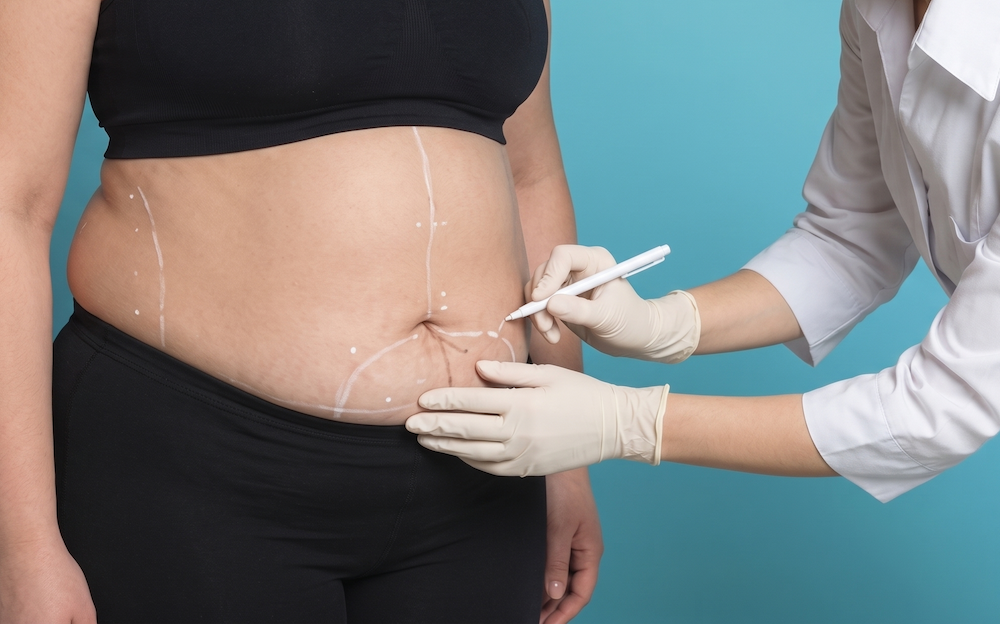
Undergoing gastric sleeve surgery represents a significant transition, leading to transformative weight loss and an opportunity to reclaim health and vitality. But the journey doesn't end with the procedure -- it requires a comprehensive understanding of recovery and the potential need for body contouring to address excess skin and refine body contours after significant weight loss. This guide walks through the phases of gastric sleeve recovery, the body contouring options available afterward, and the patient considerations that matter most along the way, including how Svelta Plastic Surgery supports patients through both stages of bariatric and aesthetic care.
What Are the Phases of Gastric Sleeve Surgery Recovery?
Recovery from gastric sleeve surgery unfolds in distinct phases, each important for patient well-being and surgical success. Initially, patients experience a hospital stay ranging from one to three days, during which medical staff monitor vital signs and address immediate postoperative needs. Following discharge, the initial recovery phase lasts approximately two to six weeks, marked by a gradual reintroduction of liquids and soft foods alongside dietary counseling.
The longer-term recovery phase, which can extend up to six months, focuses on nutritional education and the lifestyle adjustments essential for sustained weight loss. Patients often notice improved mobility and increased energy as this phase progresses. Understanding these timelines up front helps manage expectations and reinforces commitment to the goals ahead.
Bariatric Surgery: A Growing, Well-Established Field
Bariatric surgery is widely recognized as one of the most effective treatments for severe obesity, with sustained weight loss and meaningful effects on obesity-related health conditions. Sleeve gastrectomy and gastric bypass together account for the large majority of bariatric procedures performed today, reflecting decades of clinical refinement in the field.
Which Post-Weight Loss Body Contouring Procedures Address Excess Skin and Contour Refinement?
Post-weight loss body contouring procedures help address excess skin and support the aesthetic outcomes patients are working toward after significant weight loss. A few procedures commonly come up in these conversations:
- Tummy Tuck: Removes excess skin and fat from the abdominal area for a firmer abdominal contour.
- Liposuction: Targets stubborn fat deposits to refine body shape.
- Brazilian Butt Lift: Transfers fat from other areas of the body to enhance shape and fullness.
For patients considering a more comprehensive approach, Svelta Plastic Surgery emphasizes personalized consultations to discuss options such as a mommy makeover, which typically combines a tummy tuck with breast augmentation, tailored to individual needs and goals.
What Role Do Body Lifts, Liposuction, and BBL Play in Post-Bariatric Body Sculpting?
Body lifts, liposuction, and Brazilian Butt Lifts play distinct but complementary roles after major weight loss. Body lifts are particularly suited to patients with significant excess skin, offering more comprehensive tightening across areas like the abdomen and thighs. Liposuction, by contrast, targets localized fat to refine and balance contours in more specific areas.
Brazilian Butt Lifts enhance the shape of the buttocks by transferring fat from areas with excess volume, creating a fuller, natural-looking result. Beyond the physical outcome, many patients describe these procedures as an important part of feeling confident in their new bodies after weight loss.
How Do Mommy Makeovers and Breast Augmentation Restore Form After Significant Weight Loss?
Mommy makeovers are popular among patients seeking to restore their figure after major weight loss. This customizable approach combines multiple procedures -- often a tummy tuck paired with breast augmentation -- to address both the abdomen and chest in a single surgical plan.
Breast augmentation specifically addresses volume loss that can come with significant weight fluctuation, helping patients reestablish proportions they're comfortable with. If you're considering enhancements to your chest as part of a broader transformation, more detail on breast augmentation is available to review ahead of a consultation.
What Should Patients Know About Risks, Eligibility, and Safety?
Moving from weight loss surgery toward aesthetic procedures calls for careful consideration of eligibility and risk. As with any surgery, gastric sleeve and body contouring procedures carry inherent risks, including infection, scarring, and complications related to anesthesia.
Candidates for elective body contouring are evaluated on overall health, emotional readiness, and specific aesthetic goals. Patients are encouraged to discuss any pre-existing conditions with their care team, follow the prescribed recovery plan, attend all follow-up appointments, and stay in open communication with their surgical team throughout the process.
- Gastric sleeve: primary risk considerations include infection at the surgical site.
- Body lift procedures: scarring is expected and typically improves over time with proper care.
- Liposuction: fat embolism is a rare but serious complication that a qualified surgical team screens for and monitors.
How Should Patients Navigate Recovery and Maintain Results?
Recovering from aesthetic procedures after bariatric surgery involves a few consistent strategies for optimizing healing and protecting results:
- Dietary changes: a balanced diet rich in vitamins and nutrients supports recovery.
- Regular follow-up: consistent check-ins with the care team support healing and long-term health.
- Physical activity: a gradual return to exercise promotes healing and helps maintain weight management.
What Are Typical Recovery Timelines for Body Contouring Procedures?
General recovery expectations vary by procedure:
- Tummy Tuck: initial swelling and discomfort for about two weeks, with full recovery typically in six to eight weeks.
- Liposuction: initial recovery of one to two weeks, though many patients resume light activity sooner.
- Brazilian Butt Lift: patients are typically advised to avoid sitting directly on the treated area for two to three weeks.
Every patient's timeline can vary, so it's always best to follow the specific aftercare plan provided by the surgical team.
How Does Personalized Aftercare Support Long-Term Results?
Personalized aftercare plays a meaningful role in achieving lasting results from both bariatric and aesthetic surgery. Tailored aftercare can include nutritional guidance suited to a patient's specific needs, emotional support to help navigate changes in body image, and ongoing monitoring to keep patients on track with their health and aesthetic goals. Svelta Plastic Surgery's approach to aftercare is designed to support patients through this full journey, not just the surgical moment itself.
Frequently Asked Questions About the Bariatric to Aesthetic Journey
How long is recovery after gastric sleeve surgery?
Most patients stay in the hospital one to three days after gastric sleeve surgery. The initial recovery phase, with a gradual reintroduction of liquids and soft foods, lasts about two to six weeks, while the longer-term recovery -- focused on nutrition and lifestyle adjustments -- can extend up to six months.
When should I consider body contouring after gastric sleeve weight loss?
Body contouring is typically considered once weight has stabilized after significant weight loss, since ongoing weight changes can affect surgical results. A consultation with Svelta's surgical team can help determine timing based on your individual recovery and goals.
What body contouring procedures are most common after major weight loss?
Tummy tucks, liposuction, and Brazilian Butt Lifts are among the most requested procedures after significant weight loss, each addressing excess skin or fat differently. Many patients also consider a mommy makeover, which combines a tummy tuck with breast augmentation for a more comprehensive result.
What should I know about the risks and eligibility for post-bariatric body contouring?
As with any surgical procedure, body contouring carries risks such as infection, scarring, and complications from anesthesia. Candidates are evaluated for overall health and emotional readiness before moving forward, and Svelta's surgical team reviews these considerations individually during consultation.